

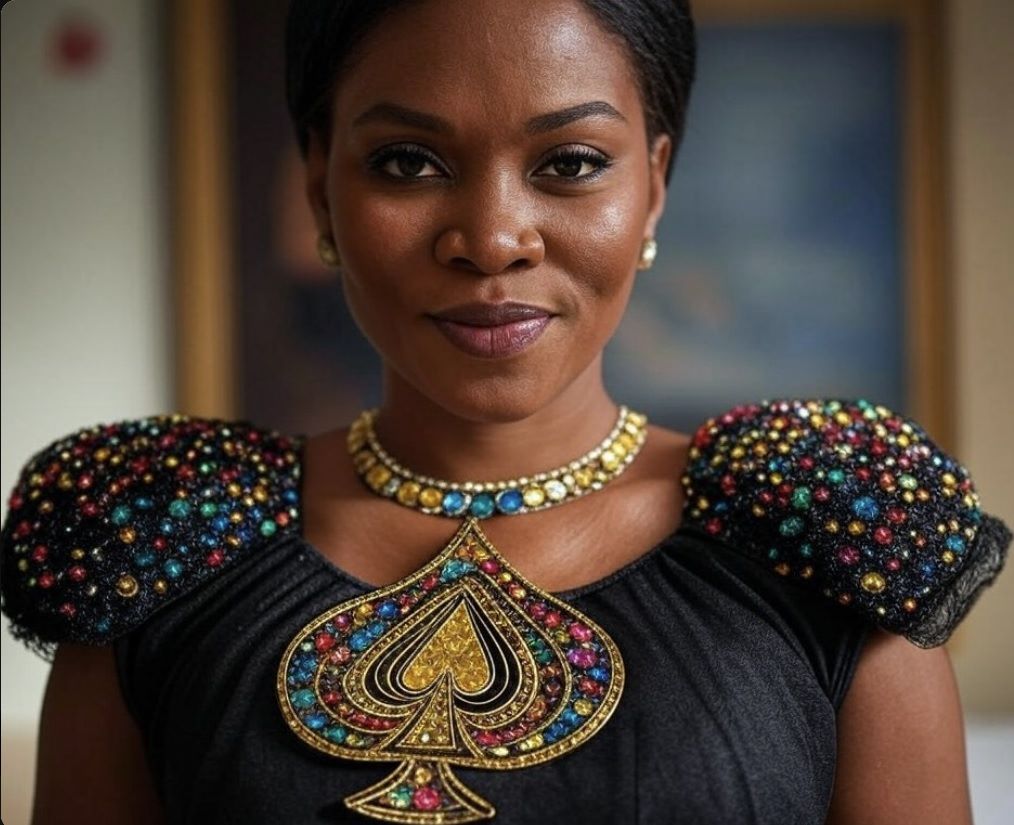
A Map of Power and Society
Playing cards may seem like mere tools of entertainment, but beneath their surface lies a sophisticated system that encodes the principles of power, governance, and social dynamics. What appears as a casual pastime actually serves as one of history’s most elegant models for understanding authority, revolution, and the delicate balance required to maintain a functional society.
The Architecture of Power
A deck of playing cards is structured like a miniature society. The face cards—the Jack, Queen, and King—represent three core forms of authority:
- Jack: Virtuous leadership and duty
- Queen: Military power and tactical strength
- King: Economic and commercial dominance
These figures rule over the numbered cards, which symbolize the general population. Within this hierarchy, the Ace plays a unique role: it is both the highest and lowest card in the deck, a paradox that carries a powerful lesson—those at the bottom of society always retain the ability to challenge and overthrow the elite. This hidden message serves as a warning to rulers: excessive pressure on the lower classes can only lead to revolution.
Masculine and Feminine Energies
The colors of the suits are not merely for aesthetics; they encode fundamental dualities in life and leadership. The black suits—Clubs and Spades—represent masculine energy, linked to strategy and disciplined labor, while the red suits—Hearts and Diamonds—embody feminine energy, associated with community-building and refinement.
Each suit represents a different approach to life and power:
- Clubs: Visionary thinking and long-term strategy
- Spades: Discipline, structure, and methodical execution
- Hearts: Emotional intelligence and social harmony
- Diamonds: Precision, financial acumen, and refined execution
This interplay between black and red, masculine and feminine, teaches a profound lesson about leadership: a successful ruler or strategist must balance strength with empathy, control with adaptability.
Mathematical Precision and Natural Cycles
Beyond its symbolic meanings, the deck of playing cards is a masterclass in mathematical design, mirroring natural cycles:
- Four suits represent the four seasons.
- Thirteen cards per suit correspond to the thirteen weeks in each quarter.
- Fifty-two cards in a deck reflect the fifty-two weeks of the year.
- The sum of all card values equals 364, with the Joker completing the 365-day solar cycle.
This mathematical precision suggests the deck was not just an invention of chance but a carefully crafted tool meant to align with the rhythms of nature and society.
A Training Ground for Leadership
Playing cards have historically served as more than a source of entertainment—they have acted as an elite training tool for understanding governance, conflict, and resource management. Through strategic games, players simulate power struggles, economic decisions, and even revolutions without real-world consequences.
This makes sense when considering the longevity of playing cards in human culture. Their endurance is not just due to their versatility but also their deep-seated value as a tool for learning about:
- Political strategy
- Social balance
- Economic resource allocation
- The dangers of oppression and the inevitability of resistance
The Global Journey of Playing Cards
While commonly associated with European courts, playing cards originated in China before making their way across continents. Their universal appeal speaks to their ability to encode fundamental truths about power and society, making them one of the most effective and lasting educational devices in history.
Why This Matters Today
In an era of rapid social change, the lessons embedded in a simple deck of playing cards remain strikingly relevant. Understanding power structures, revolutionary potential, and the importance of balance in leadership is crucial whether managing a business, navigating political landscapes, or simply making sense of our modern world.
So, the next time you shuffle a deck, consider that you’re holding more than just a tool for amusement. You are handling an ancient, elegant, and surprisingly profound system for understanding power, society, and the natural rhythms that govern both.
After all, the greatest wisdom often hides in plain sight—sometimes in the palm of your hand.
